
Câu hỏi mẫu1 / 8
Từ vựng chủ đề Môi trường - Environment
Học từ vựng về môi trường, ô nhiễm, biến đổi khí hậu và bảo tồn — chia theo Cơ bản, Trung cấp, Nâng cao kèm ví dụ và phát âm.
Phù hợp IELTS Writing Task 2
Miễn phí · Không cần thẻ · Lưu tiến độ học của bạn
Topic preview
Environment · Môi trường
92 từCơ bản · 31Trung cấp · 37Nâng cao · 24
92 từ
- Cơ bảnenvironmentnounmôi trường
- Cơ bảnnaturenounthiên nhiên
- Cơ bảnearthnountrái đất
- Cơ bảntreenouncây
- Cơ bảnplantnounthực vật
+ 87 từ khácHọc theo trình độ →
Mini test 5–10 phút
Bạn biết bao nhiêu từ thuộc chủ đề Môi trường?
Làm bài test ngắn để biết bạn đang mạnh / yếu ở nhóm Cơ bản, Trung cấp hay Nâng cao trong chủ đề này. Kết quả giúp Hoctumoi chọn đúng từ để bạn học tiếp.
- Chỉ 5–10 phút, làm trên điện thoại được
- Báo cáo theo 3 nhóm Cơ bản / Trung cấp / Nâng cao
- Gợi ý lộ trình học phù hợp với điểm yếu của bạn
Một số từ vựng tiêu biểu theo trình độ
Hoctumoi sắp xếp từ vựng theo từng cấp độ CEFR (A1 → C2) để bạn dễ chọn đúng trình độ và học không bị quá tải.
Từ vựng trình độ A1
Cơ bảnA1
nature
nounthiên nhiên
“I love spending time in nature.”
Cơ bảnA1
earth
nountrái đất
“The Earth is our only home.”
Cơ bảnA1
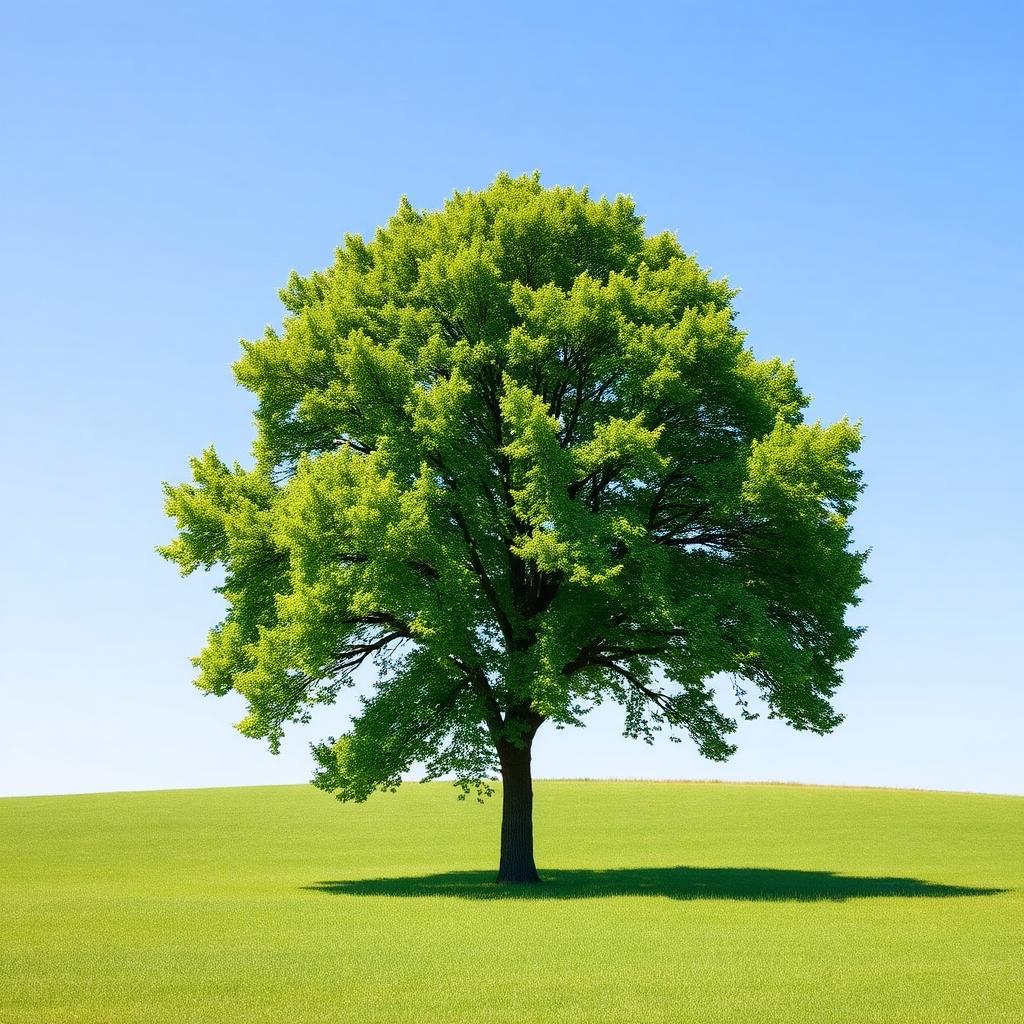
tree
nouncây
“Trees give us clean air.”
Cơ bảnA1
plant
nounthực vật
“Plants need sunlight to grow.”
Cơ bảnA1
animal
nounđộng vật
“Many animals are endangered.”
Cơ bảnA1
river
nounsông
“The river is polluted with plastic.”
Cơ bảnA1
mountain
nounnúi
“We climbed the mountain at sunrise.”
Cơ bảnA1
air
nounkhông khí
“City air is often dirty.”
Cơ bảnA1
water
nounnước
“Clean water is essential for life.”
Cơ bảnA1
clean
adjsạch
“We want clean rivers and air.”
Cơ bảnA1
dirty
adjbẩn
“The beach is dirty after the storm.”
Từ vựng trình độ A2
Cơ bảnA2
environment
nounmôi trường
“We must protect the environment.”
Cơ bảnA2
ocean
nounđại dương
“The ocean covers 70% of the Earth.”
Cơ bảnA2
forest
nounrừng
“Forests are home to many species.”
Cơ bảnA2
rubbish
nounrác
“Please throw rubbish in the bin.”
Cơ bảnA2
waste
nounchất thải
“Plastic waste harms the ocean.”
Cơ bảnA2
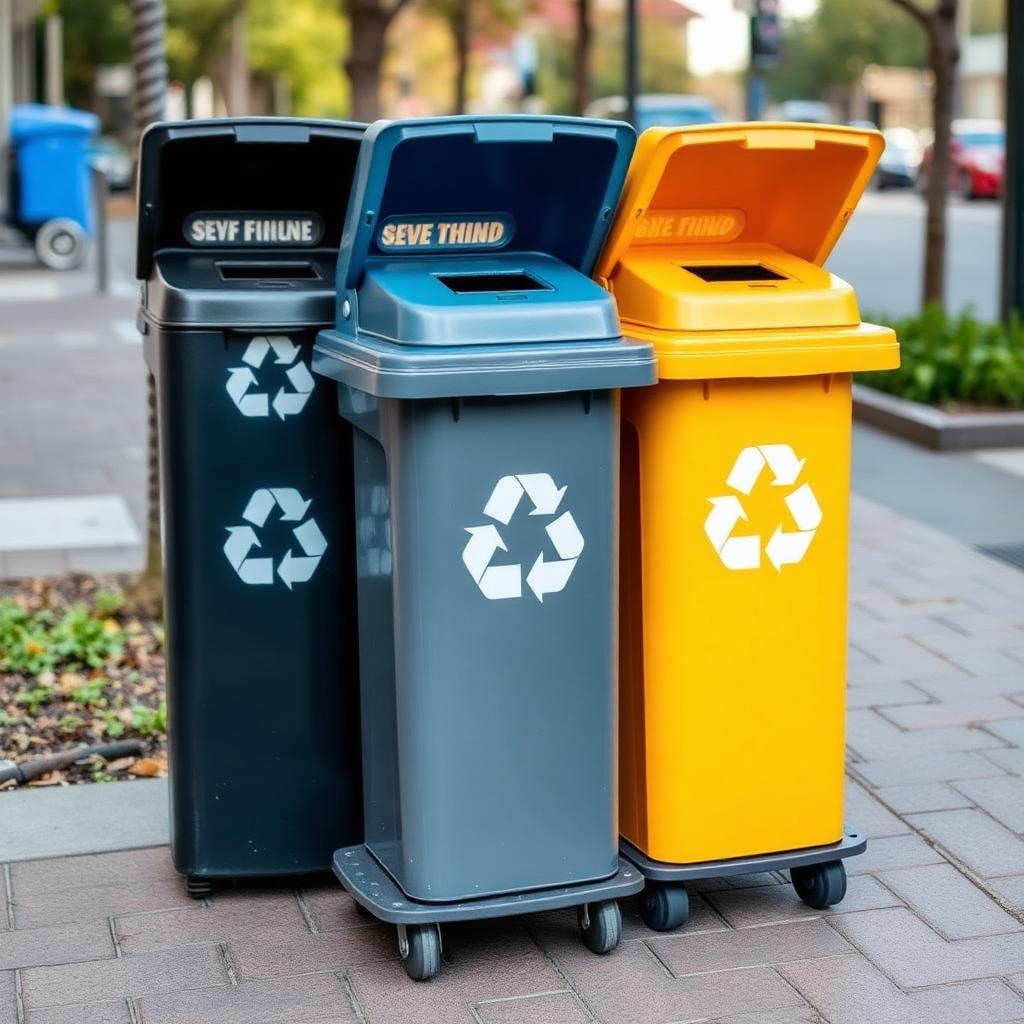
recycle
verbtái chế
“We should recycle plastic bottles.”
Từ vựng trình độ B1
Trung cấpB1
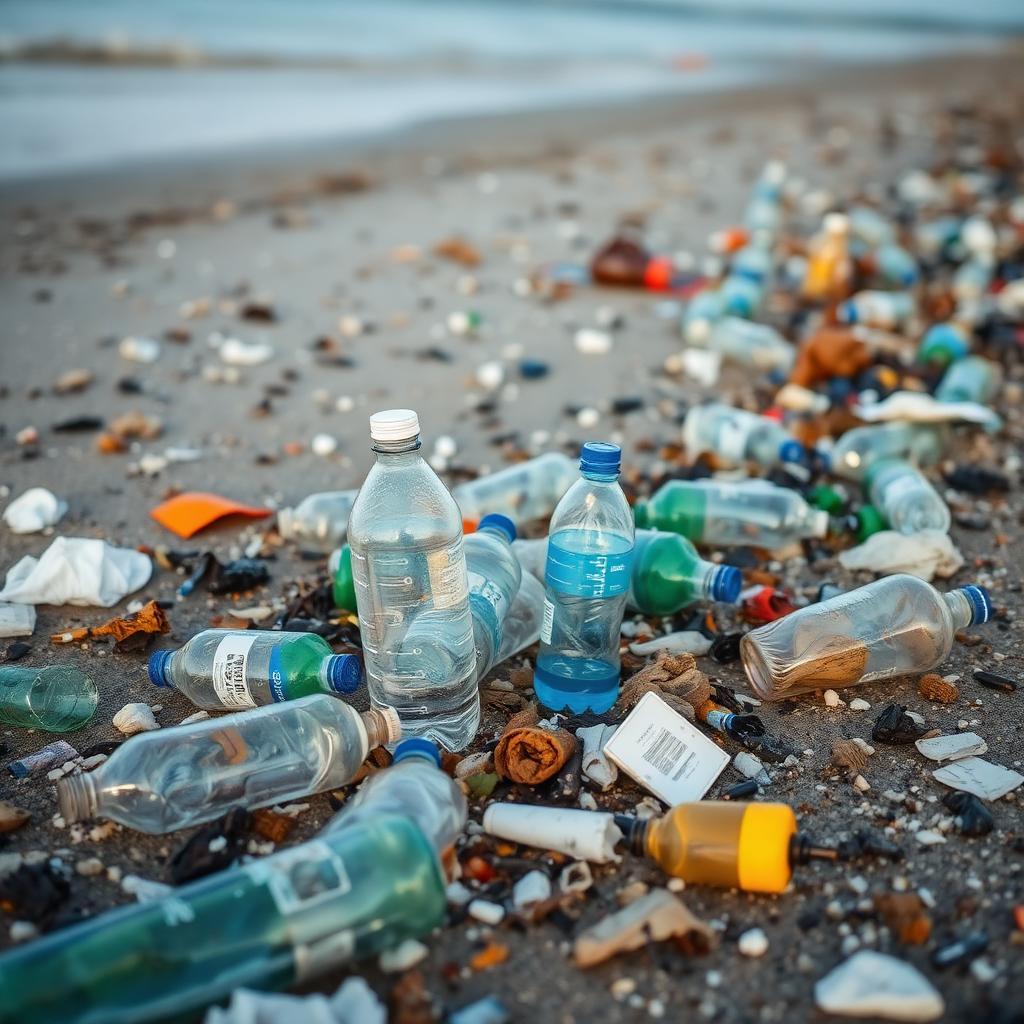
pollution
nounô nhiễm
“Air pollution is getting worse.”
Trung cấpB1
pollute
verbgây ô nhiễm
“Factories pollute the rivers.”
Trung cấpB1
polluted
adjbị ô nhiễm
“The lake is heavily polluted.”
Trung cấpB1
climate
nounkhí hậu
“The climate is changing rapidly.”
Trung cấpB1
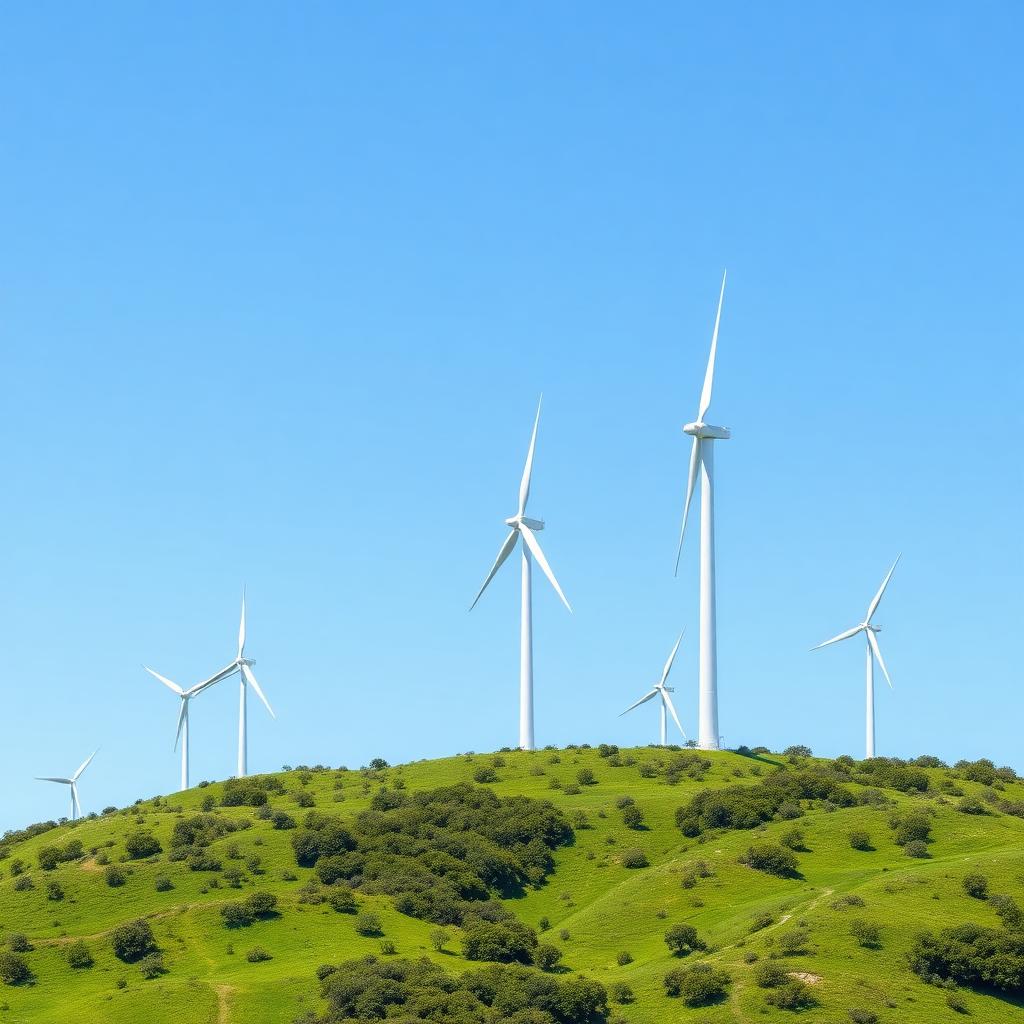
wind power
nounđiện gió
“Wind power is becoming cheaper.”
Trung cấpB1
carbon
nouncarbon
“Cars emit carbon dioxide.”
Trung cấpB1
habitat
nounmôi trường sống
“Pandas live in a bamboo habitat.”
Trung cấpB1
reduce
verbgiảm bớt
“Reduce, reuse, recycle.”
Từ vựng trình độ B2
Trung cấpB2
global warming
nounnóng lên toàn cầu
“Global warming melts polar ice.”
Trung cấpB2
climate change
nounbiến đổi khí hậu
“Climate change affects everyone.”
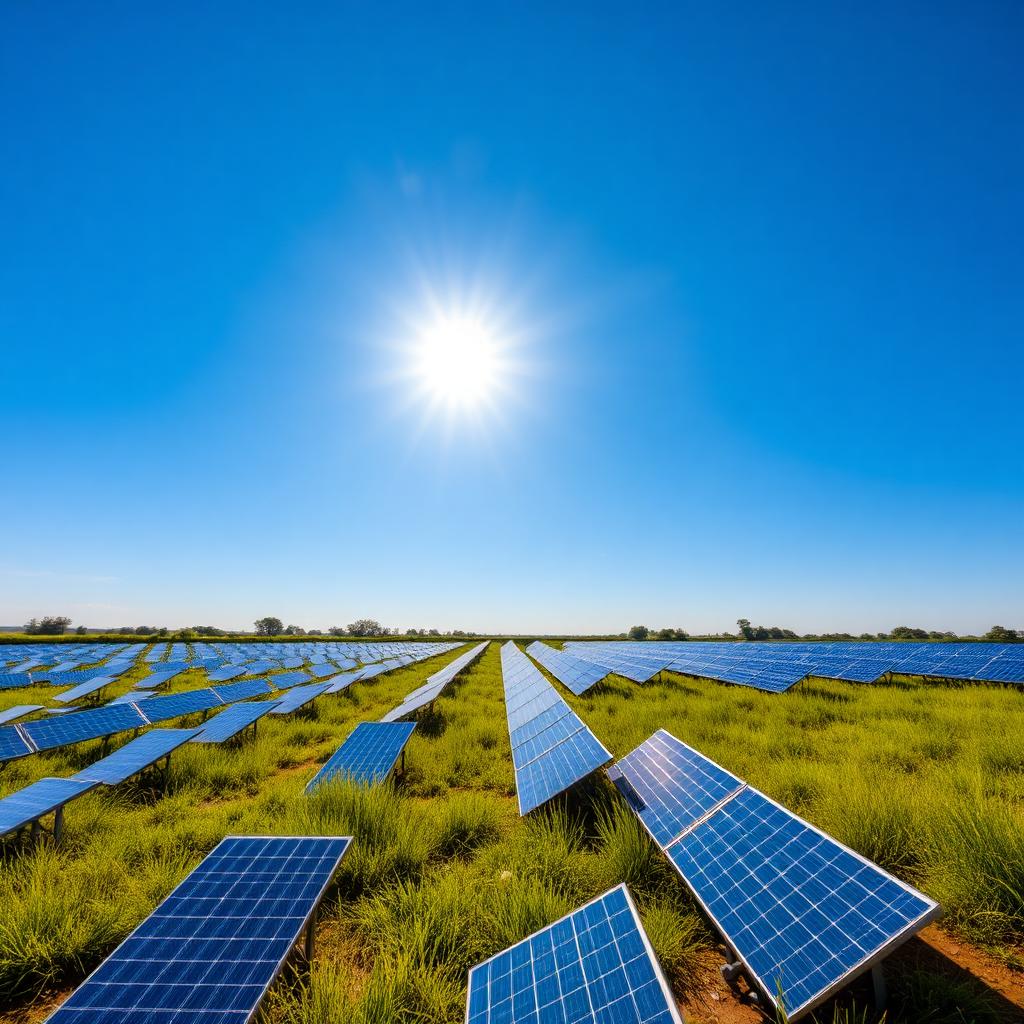
Trung cấpB2
renewable
adjtái tạo
“Solar power is renewable energy.”
Trung cấpB2
endangered
adjcó nguy cơ tuyệt chủng
“Tigers are an endangered species.”
Trung cấpB2
extinct
adjtuyệt chủng
“Dinosaurs became extinct long ago.”
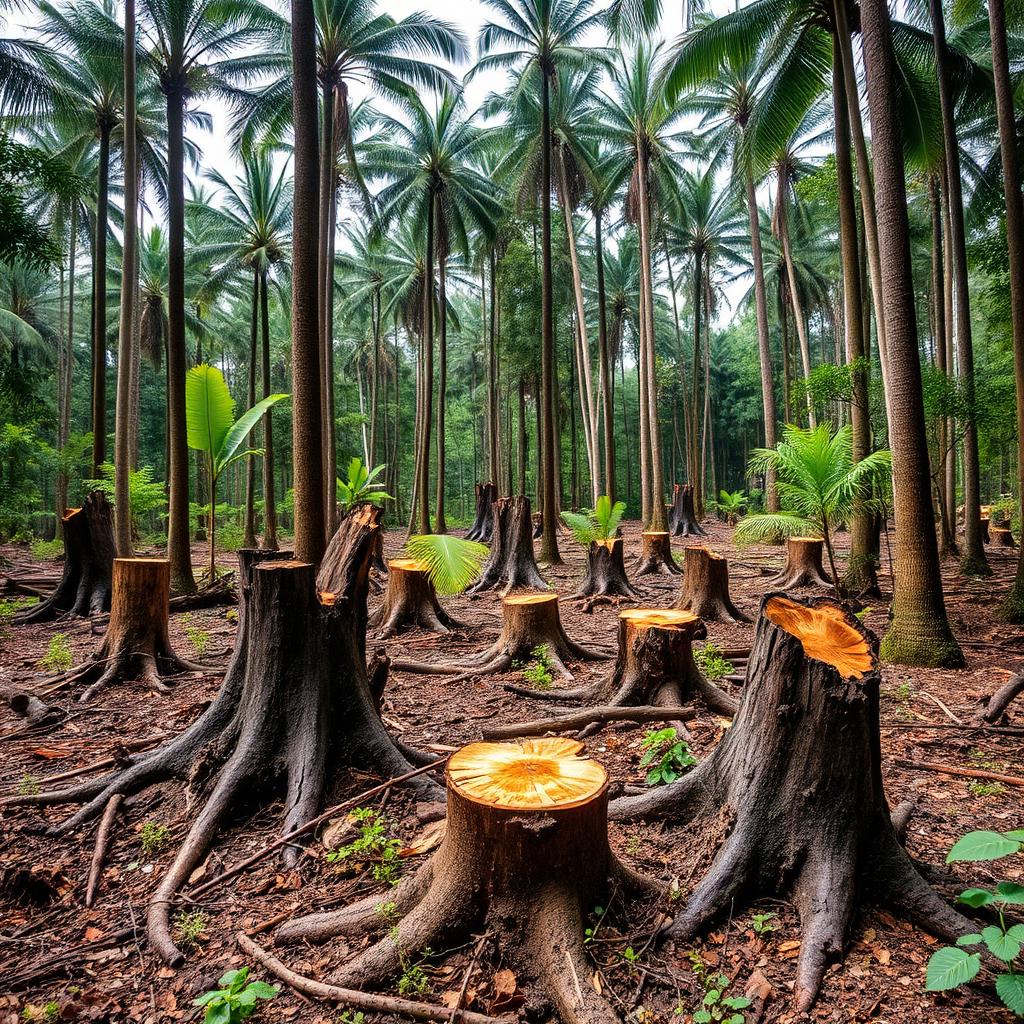
Trung cấpB2
deforestation
nounphá rừng
“Deforestation destroys habitats.”
Trung cấpB2
emissions
nounkhí thải
“We must reduce CO₂ emissions.”
Trung cấpB2
fossil fuel
nounnhiên liệu hóa thạch
“Coal is a fossil fuel.”
Trung cấpB2
ecosystem
nounhệ sinh thái
“Coral reefs are fragile ecosystems.”
Trung cấpB2
conservation
nounbảo tồn
“Wildlife conservation is critical.”
Trung cấpB2
sustainable
adjbền vững
“We need sustainable farming methods.”
Trung cấpB2
renewable energy
nounnăng lượng tái tạo
“Renewable energy will replace fossil fuels.”
Từ vựng trình độ C1
Nâng caoC1
biodiversity
nounđa dạng sinh học
“Biodiversity is essential for nature.”
Nâng caoC1
greenhouse gas
nounkhí nhà kính
“Greenhouse gases trap heat.”
Nâng caoC1
ozone layer
nountầng ozone
“The ozone layer protects us from UV rays.”
Nâng caoC1
carbon footprint
noundấu chân carbon
“Reduce your carbon footprint.”
Nâng caoC1
afforestation
nountrồng rừng
“Afforestation helps absorb CO₂.”
Nâng caoC1
desertification
nounsa mạc hoá
“Desertification threatens Africa.”
Nâng caoC1
sustainability
nountính bền vững
“Sustainability must guide policy.”
Nâng caoC1
pollutant
nounchất gây ô nhiễm
“Industrial pollutants contaminate water.”
Từ vựng trình độ C2
Nâng caoC2
geothermal
adjđịa nhiệt
“Geothermal energy uses heat from beneath the Earth.”
Nâng caoC2
hydropower
nounthủy điện
“Hydropower generates electricity from flowing water.”
Nâng caoC2
cataclysm
nounthảm hoạ
“The earthquake was a natural cataclysm.”
Nâng caoC2
eruptive
adjphun trào
“The volcano entered an eruptive phase.”
Nâng caoC2
sanctuary
nounkhu bảo tồn
“The wildlife sanctuary protects endangered species.”
Nâng caoC2
temblor
nountrận động đất
“A minor temblor shook the coastal town.”
Lộ trình 5 bước
Gợi ý 5 bước học chủ đề này
Một lộ trình nhẹ nhàng để bạn từ chỗ chưa biết gì đến tự tin với chủ đề Môi trường.
- Bước 1
Làm quen nhóm Cơ bản
Học environment, nature, tree, air, water, recycle, clean.
- Bước 2
Mở rộng nhóm Trung cấp
Thêm pollution, climate change, renewable, endangered, deforestation.
- Bước 3
Thử sức nhóm Nâng cao
Tiếp cận biodiversity, greenhouse gas, carbon footprint, sustainability.
- Bước 4
Ôn lại từ sai
Hoctumoi lặp lại đúng những từ bạn còn yếu (spaced repetition).
- Bước 5
Mini test & xem kết quả
Làm bài kiểm tra ngắn để đo tiến bộ.
Chủ đề liên quan
Mở rộng vốn từ sang các chủ đề gần với Môi trường.
86 từ4.920
Thời tiết
Khí hậu và hiện tượng tự nhiên.
Cơ bản · 31Trung cấp · 36Nâng cao · 19
86 từ4.380
Động vật
Các loài và môi trường sống.
Cơ bản · 31Trung cấp · 36Nâng cao · 19
86 từ3.120
Thực vật & Cây cối
Cây xanh, rừng và bảo tồn.
Cơ bản · 31Trung cấp · 36Nâng cao · 19
86 từ2.820
Nông nghiệp
Canh tác bền vững và đất đai.
Cơ bản · 31Trung cấp · 36Nâng cao · 19
Vì sao nên học từ vựng chủ đề Môi trường?
Environment là một trong những chủ đề xuất hiện nhiều nhất trong IELTS Writing Task 2 (climate change, pollution, recycling, renewable energy) và Reading. Vốn từ chủ đề này còn giúp bạn đọc tin tức quốc tế trên BBC, CNN, Guardian và tham gia thảo luận về các vấn đề toàn cầu — kỹ năng ngày càng cần thiết trong thế kỷ 21.
Học từ vựng Môi trường theo Cơ bản, Trung cấp, Nâng cao như thế nào?
Cơ bản (A1–A2): các từ quen thuộc nature, tree, air, water, animal, recycle, clean, dirty. Trung cấp (B1–B2): vào sâu các vấn đề pollution, climate change, renewable energy, endangered, deforestation, ecosystem, sustainable. Nâng cao (C1–C2): từ học thuật band 7+ biodiversity, greenhouse gas, carbon footprint, afforestation, desertification, sustainability — gần như bắt buộc nếu muốn IELTS Writing đạt band cao.
Hoctumoi giúp bạn học chủ đề này hiệu quả ra sao?
Ảnh trực quan giúp ghi nhớ pollution (rác trên bãi biển), renewable (cánh đồng pin mặt trời), deforestation (rừng bị chặt). Flashcard và mini test giúp phân biệt cặp dễ nhầm: pollution/pollutant, weather/climate, global warming/climate change. Spaced repetition giúp nhớ lâu các collocation học thuật như reduce carbon emissions, protect biodiversity.
Câu hỏi thường gặp